 Application Process
 Post-Protection
Preservation of Archaeological Sites
Wall remnants, topography, and structural traces were preserved at their existing levels without creating a new mass.


The historical castle area at the summit of Takkeli Mountain, including the city walls, cisterns, and bathhouse ruins, has been preserved with the principle of minimizing intervention in the archaeological fabric.
Gevele Castle, referred to as Gevale, Kevele, and with various spellings in historical sources, is an important defense and settlement area located on the summit of Takkeli Mountain, west of the Konya city center. Maintaining its strategic importance during the Roman, Byzantine, and Anatolian Seljuk periods, the castle has historically held a decisive position in the defense of Konya.
The archaeological site, consisting of city walls, towers, cisterns, bath ruins, and residential areas, showed significant material loss and structural deterioration due to the steep topography, harsh climate, and prolonged exposure to the elements.
The project's fundamental approach is not to reconstruct the wall remnants uncovered during excavation, but to preserve the existing historical data in a readable, secure, and sustainable manner.
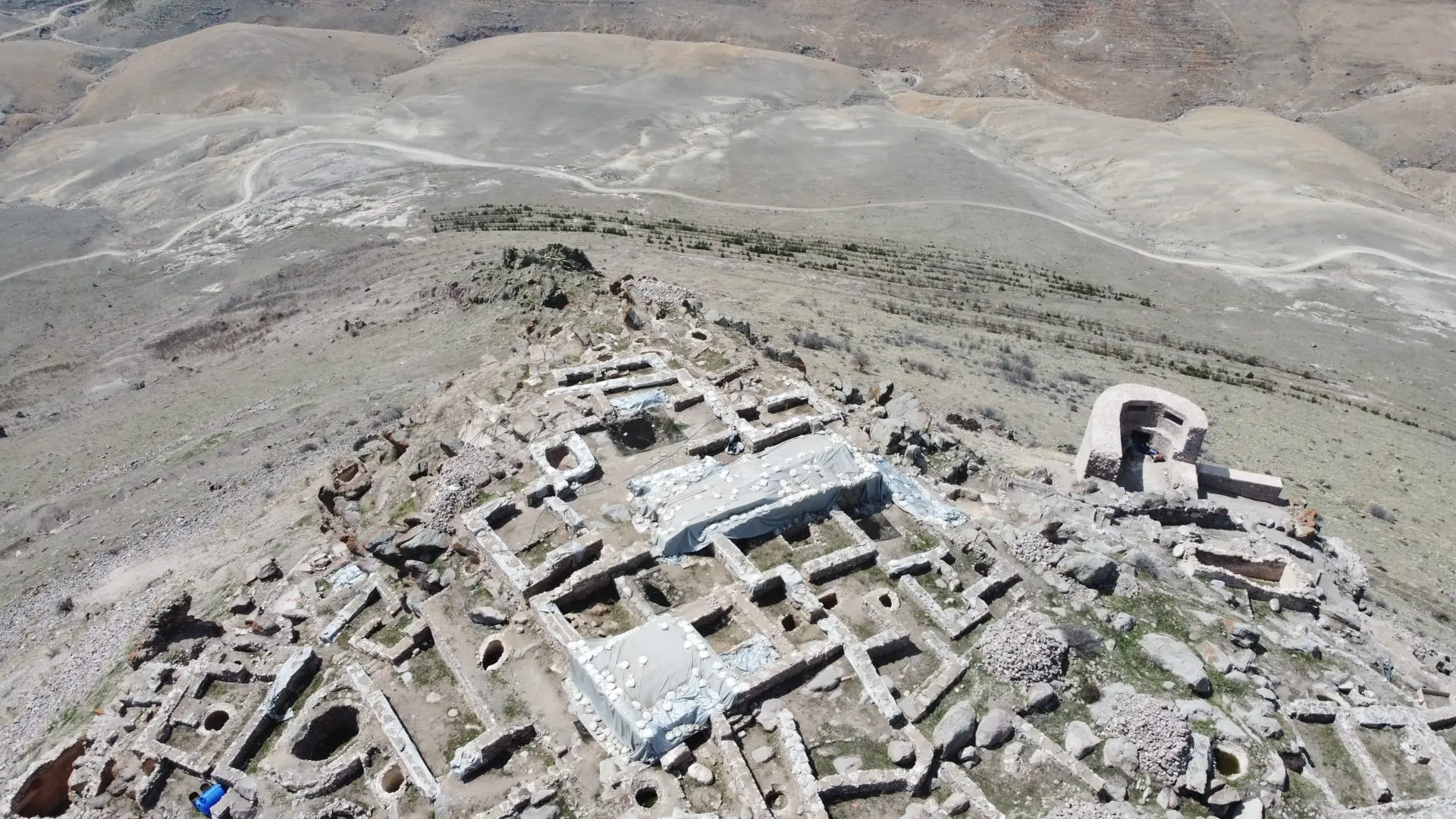
The second phase of the project encompassed 48 cisterns uncovered in the summit area during excavation and cleaning works conducted between 2014-2017, as well as four city walls in the northern and eastern sections, and two bathhouse structures in the eastern and western sections.
The preservation status, material loss, masonry system, cracks, and environmental conditions of each structural remnant were evaluated individually. Interventions were carried out according to the principles applicable to archaeological sites: preserving original data, limiting new construction, and restricting completion only to the extent of structural necessity.
Application ProcessPost-ProtectionWall remnants, topography, and structural traces were preserved at their existing levels without creating a new mass.
 Fieldwork
 Integration
The gaps and deformations in the stone masonry were halted through controlled completion, joint renewal, and mortar injection.
Loose stones in the city walls and structural remains were carefully removed and reinstalled in accordance with the original masonry system. Limited restoration was carried out in missing and empty sections; exposed masonry was protected with capping applications on the tops of the walls to reduce water ingress.
The joints were renewed with suitable mortar. In sections with voids in the wall core, hydraulic lime-based grout injection was applied to strengthen the cohesion and structural integrity of the stone masonry.
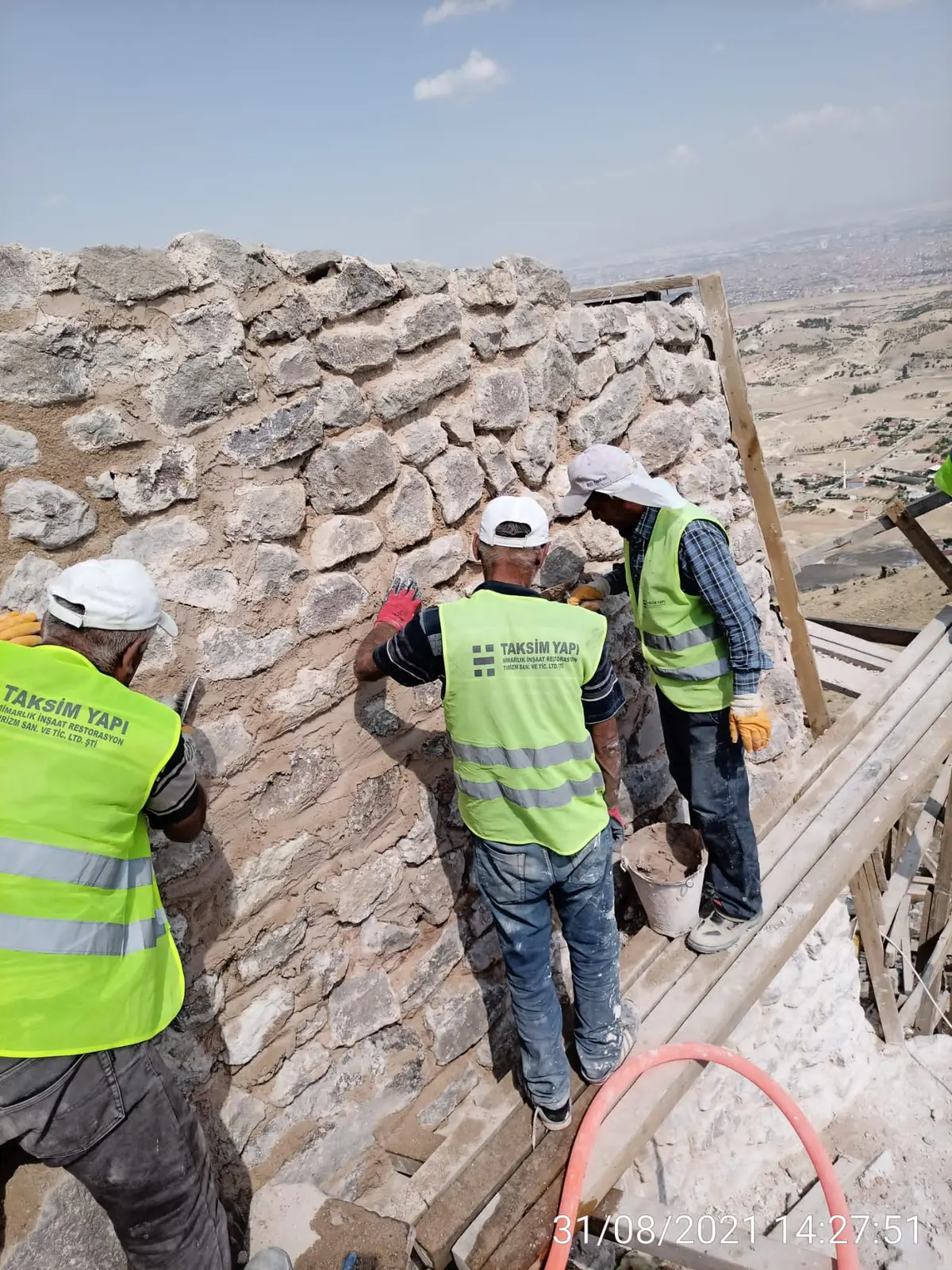
Sections that had lost their load-bearing capacity were reconstructed based on the original stonework and existing traces.
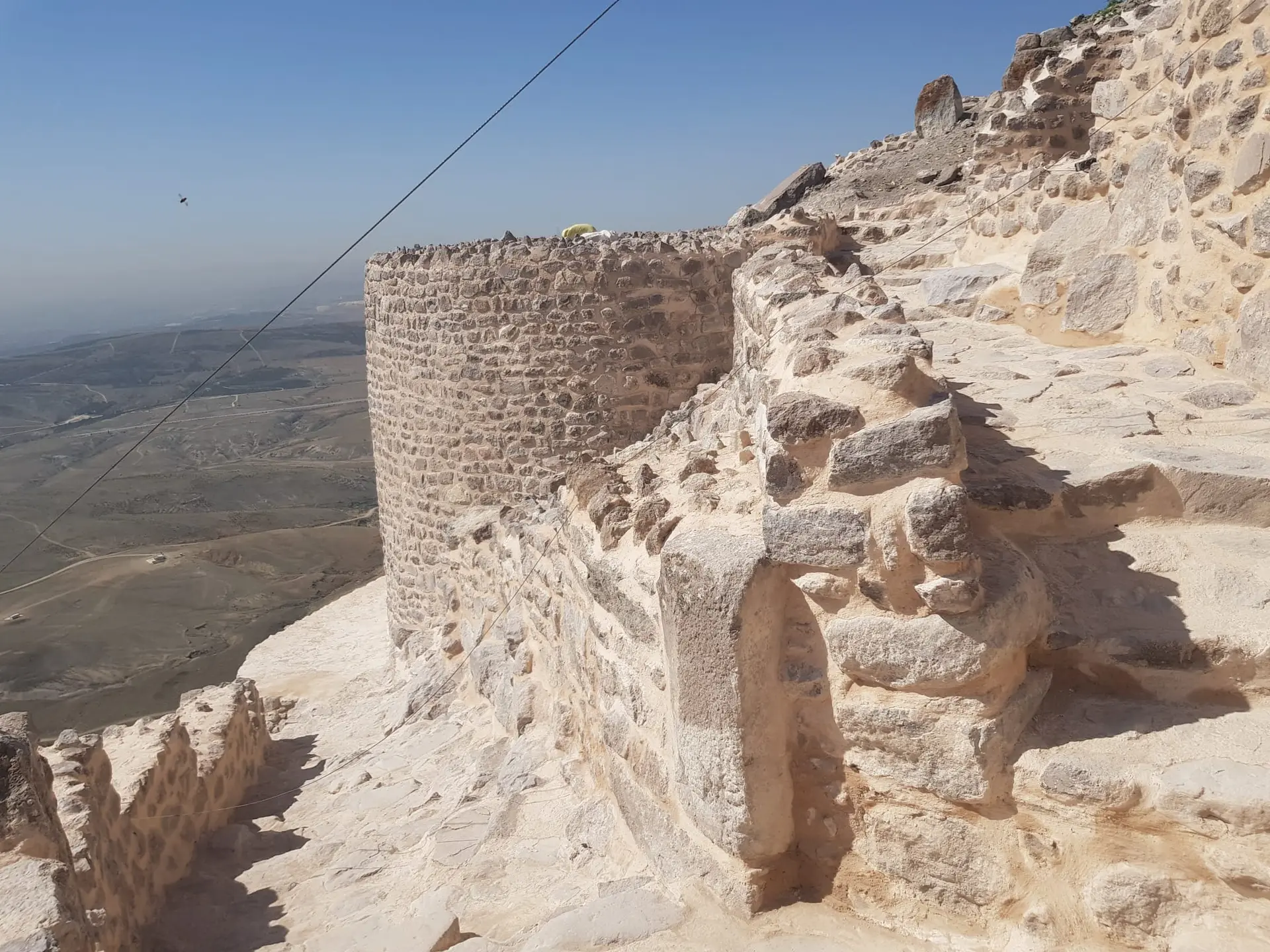
The wall lines were preserved to a level that allows the plan and elevation relationships of the defensive architecture to remain legible.
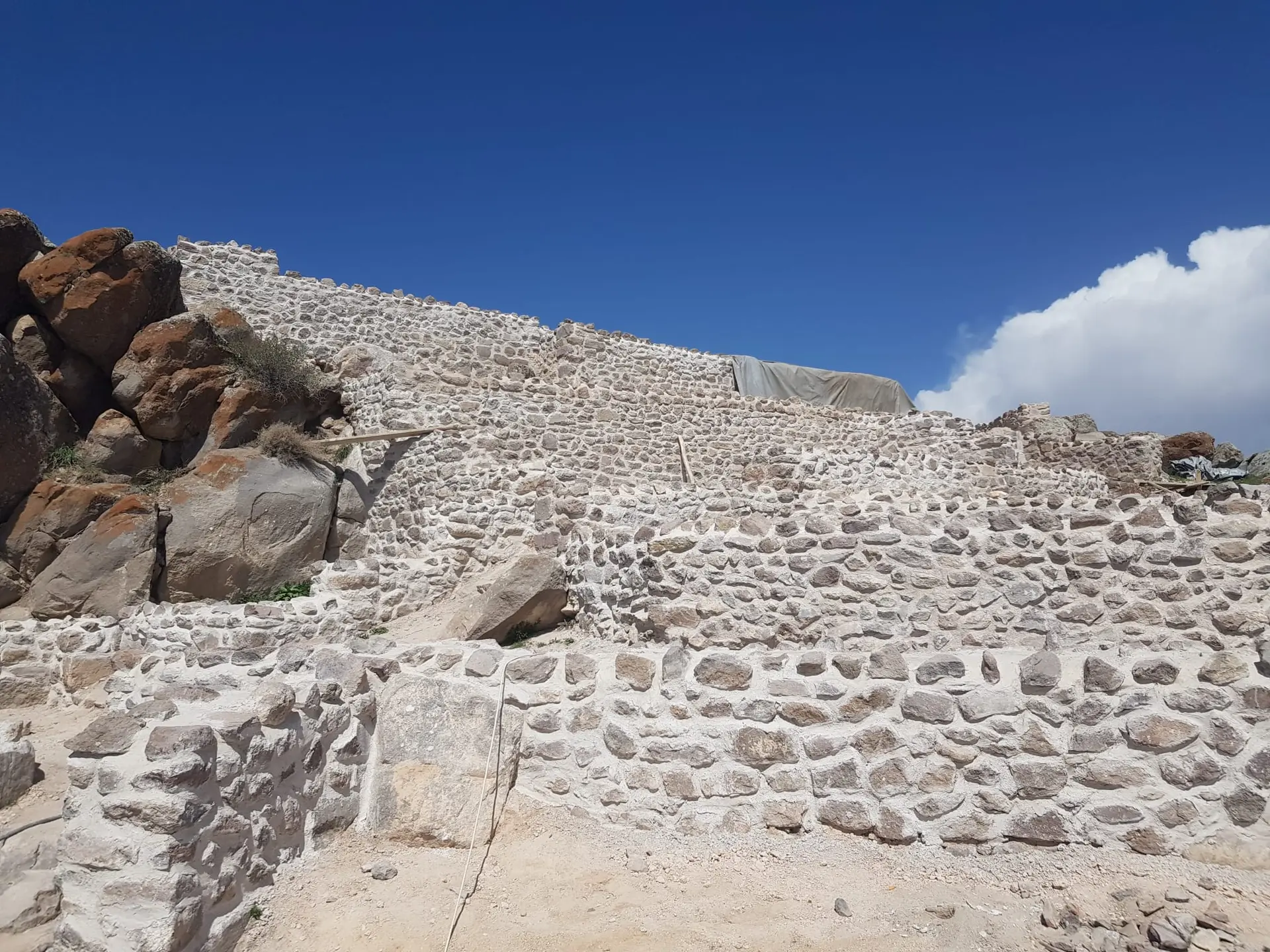
The wall tops were protected against precipitation and frost, and worn joints were renewed with suitable mortar.
The work required the simultaneous management of material transport, scaffolding erection, stonework, and controlled injection processes in challenging transportation and high-altitude conditions, without damaging existing archaeological data.
The new elements were designed not to imitate the historical material and to be distinguishable when necessary. In cisterns in particular, the preservation of original rock-carved surfaces and historical plasterwork was given priority.
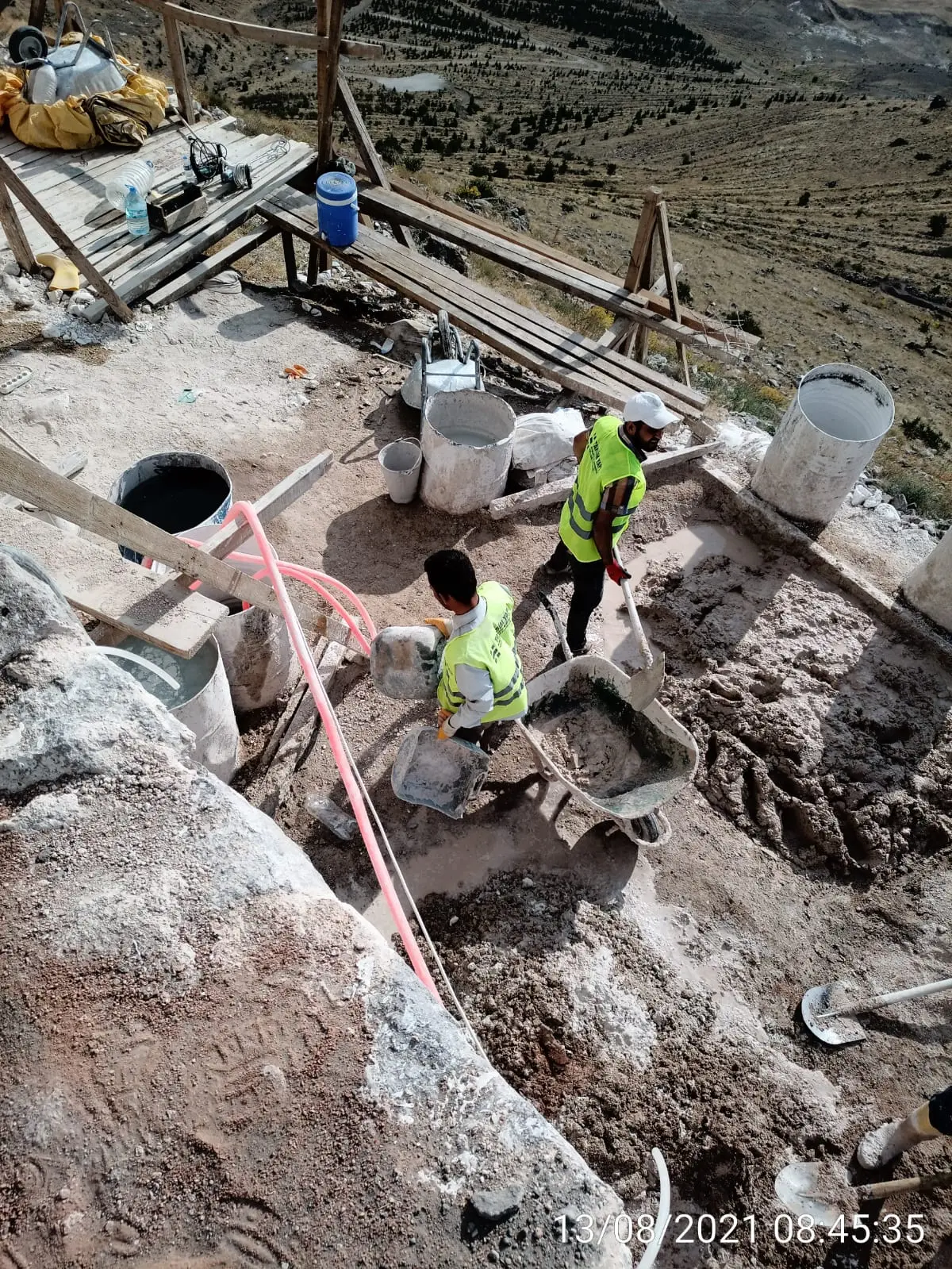
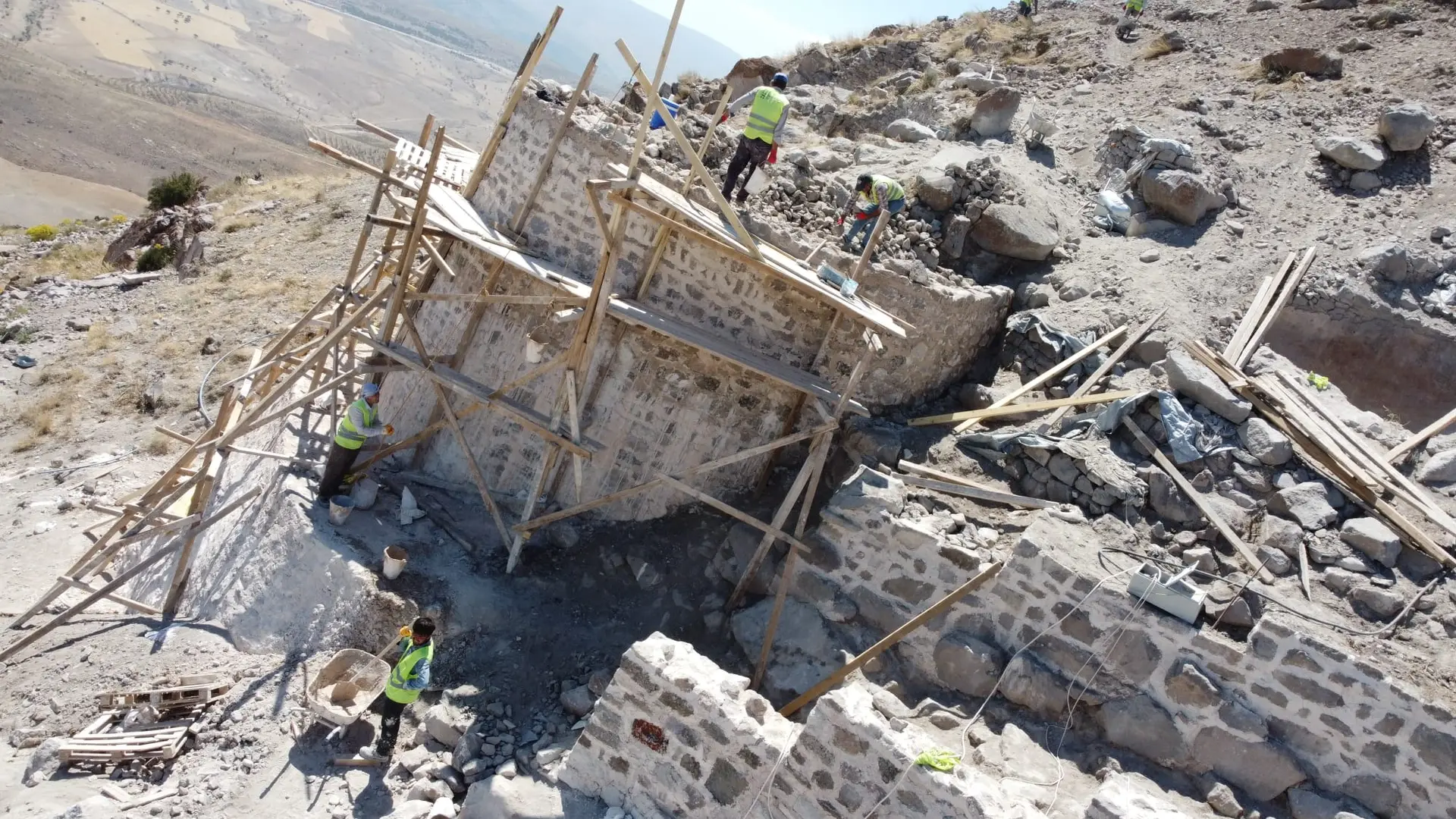
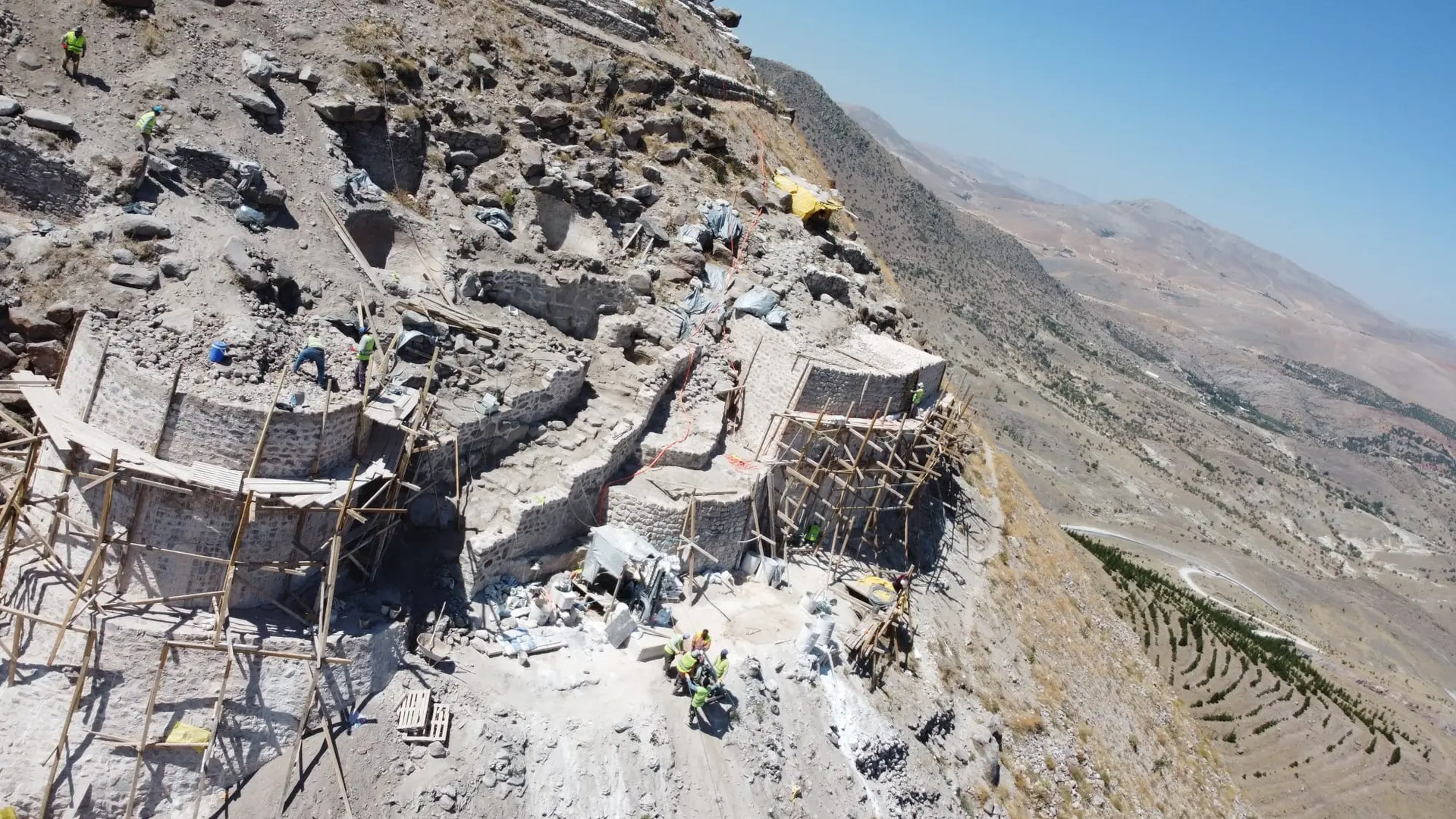
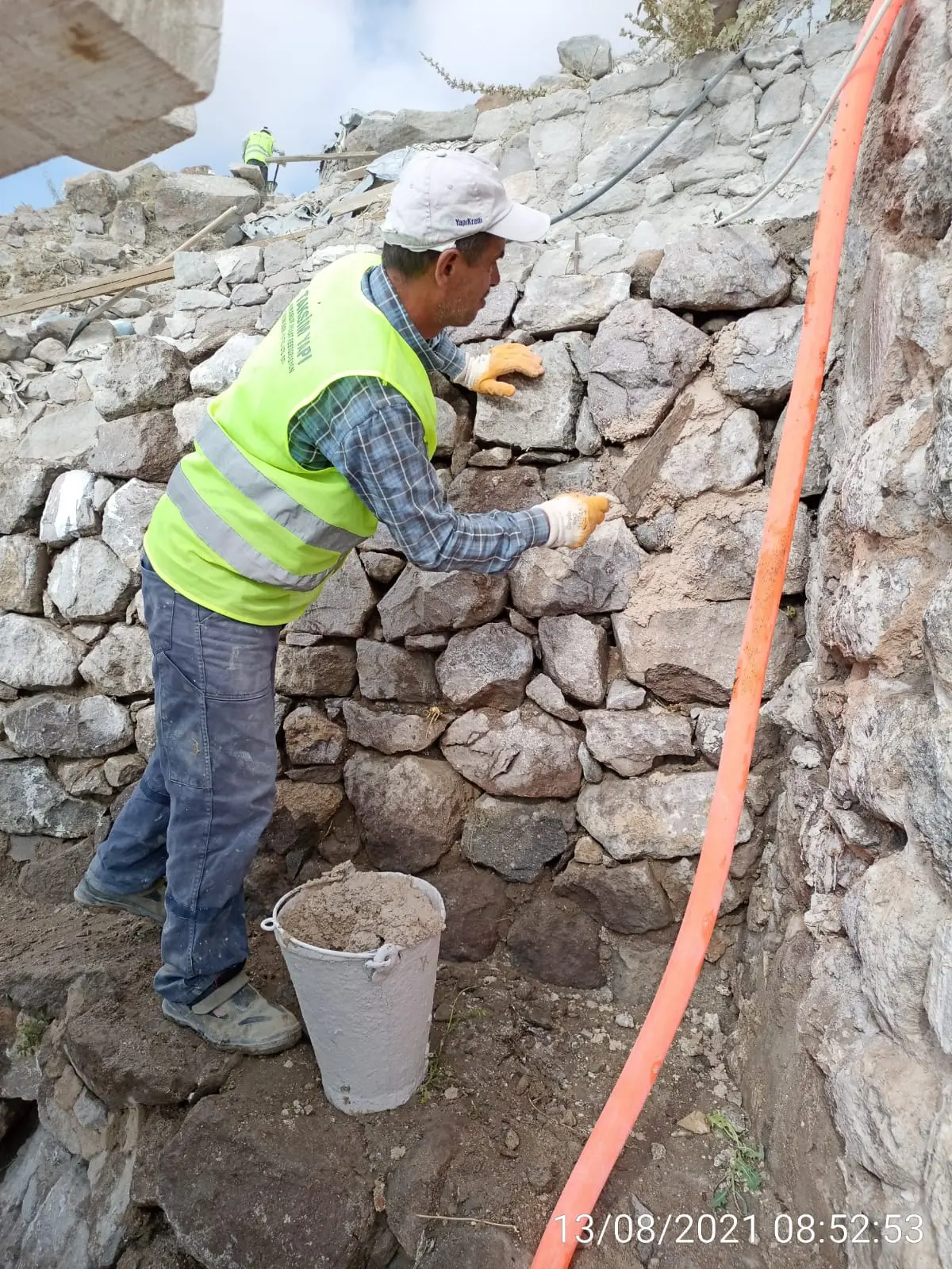
The cisterns, which form the basis of Gevele Castle's long-term defense and settlement capacity, bear traces of plaster and repairs from different periods. In practice, instead of reconstructing the cisterns, the focus was on reinforcing the existing wall remnants and historical surfaces.
The cistern walls were raised in places to a limited extent to protect their tops. The original plaster was reinforced with micro-injection, and plaster edges at risk of separation were polished. In selected cisterns, controlled access was provided with steel protective coverings and wooden circulation elements.
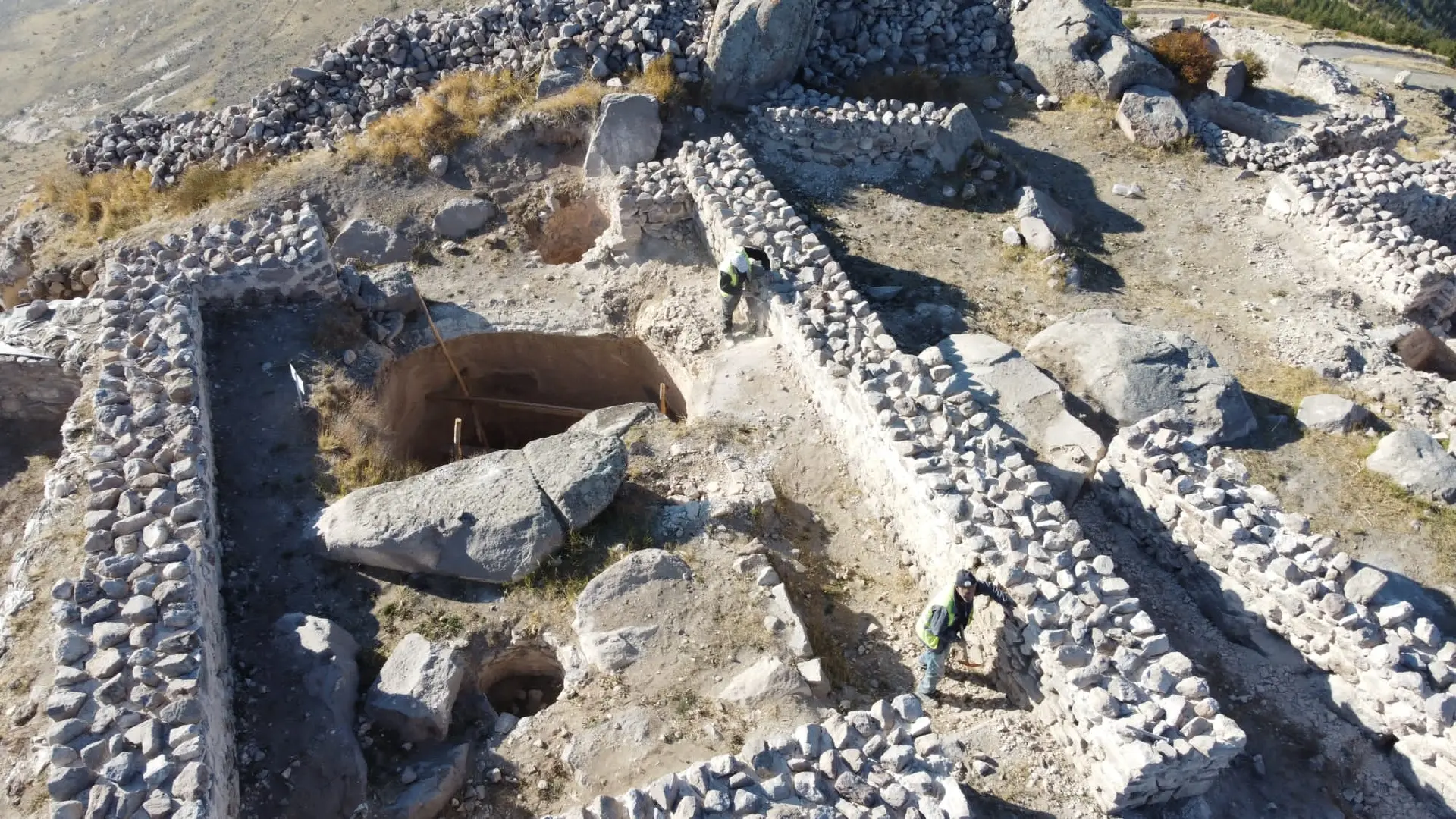
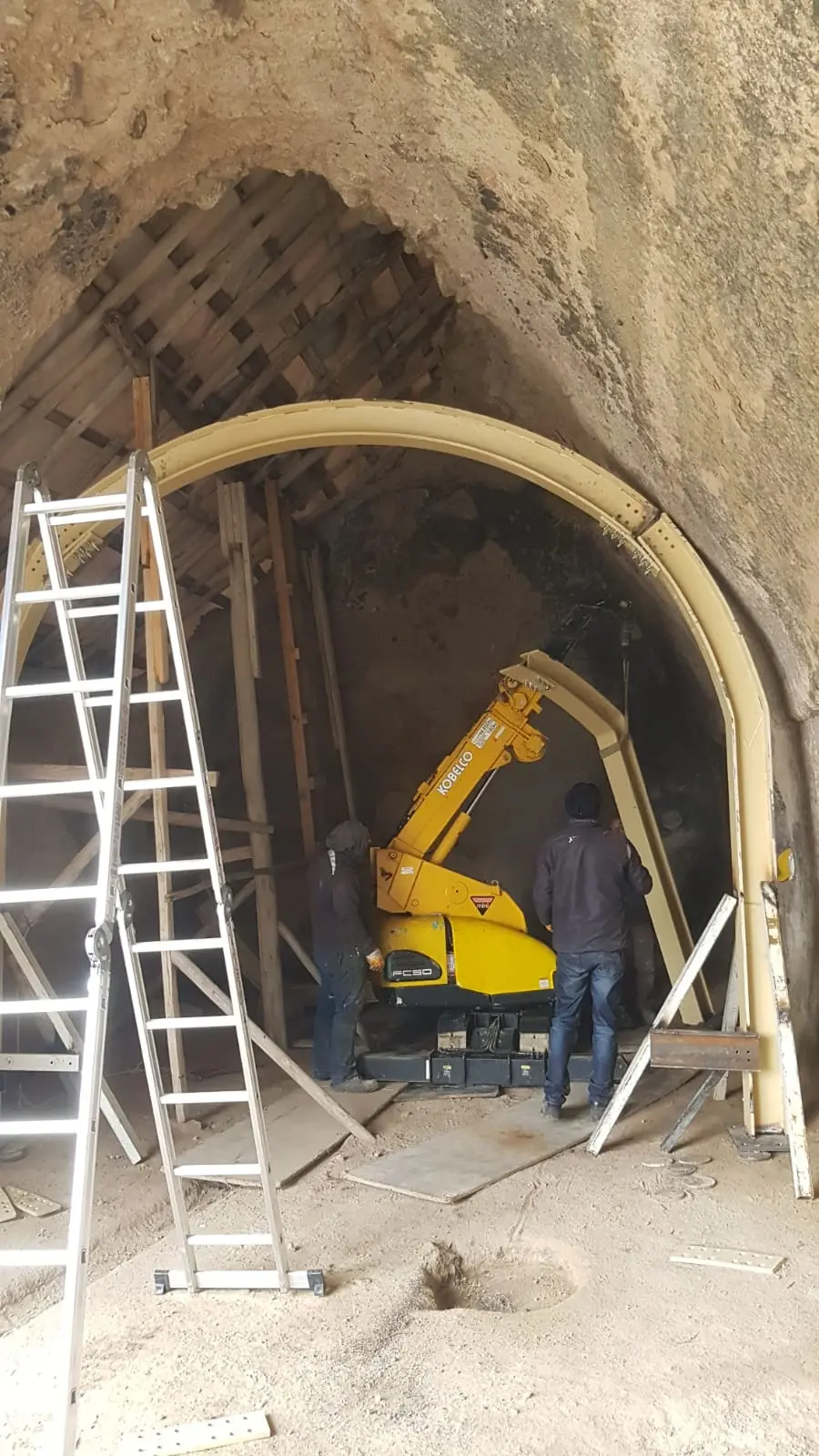

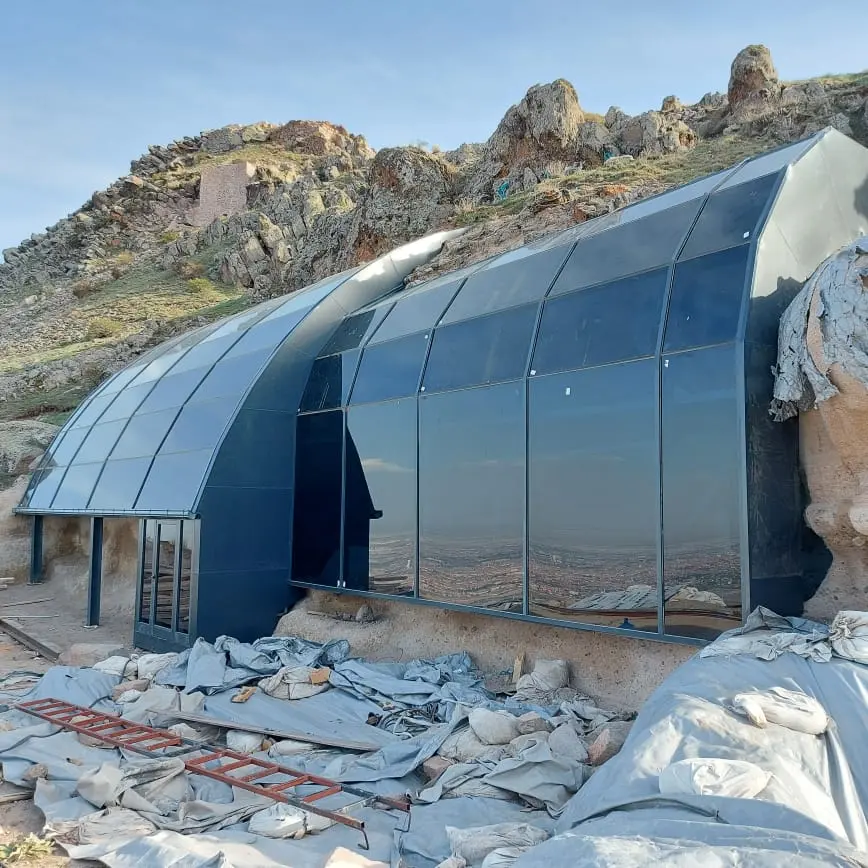
Once the conservation efforts were completed, the traces of the structures became visible, along with the natural rock formations of the summit and the commanding view of the Konya plain. Intervention limits were kept low; the documentary value of the archaeological site and its layers from different periods were preserved, leaving it open for future studies.

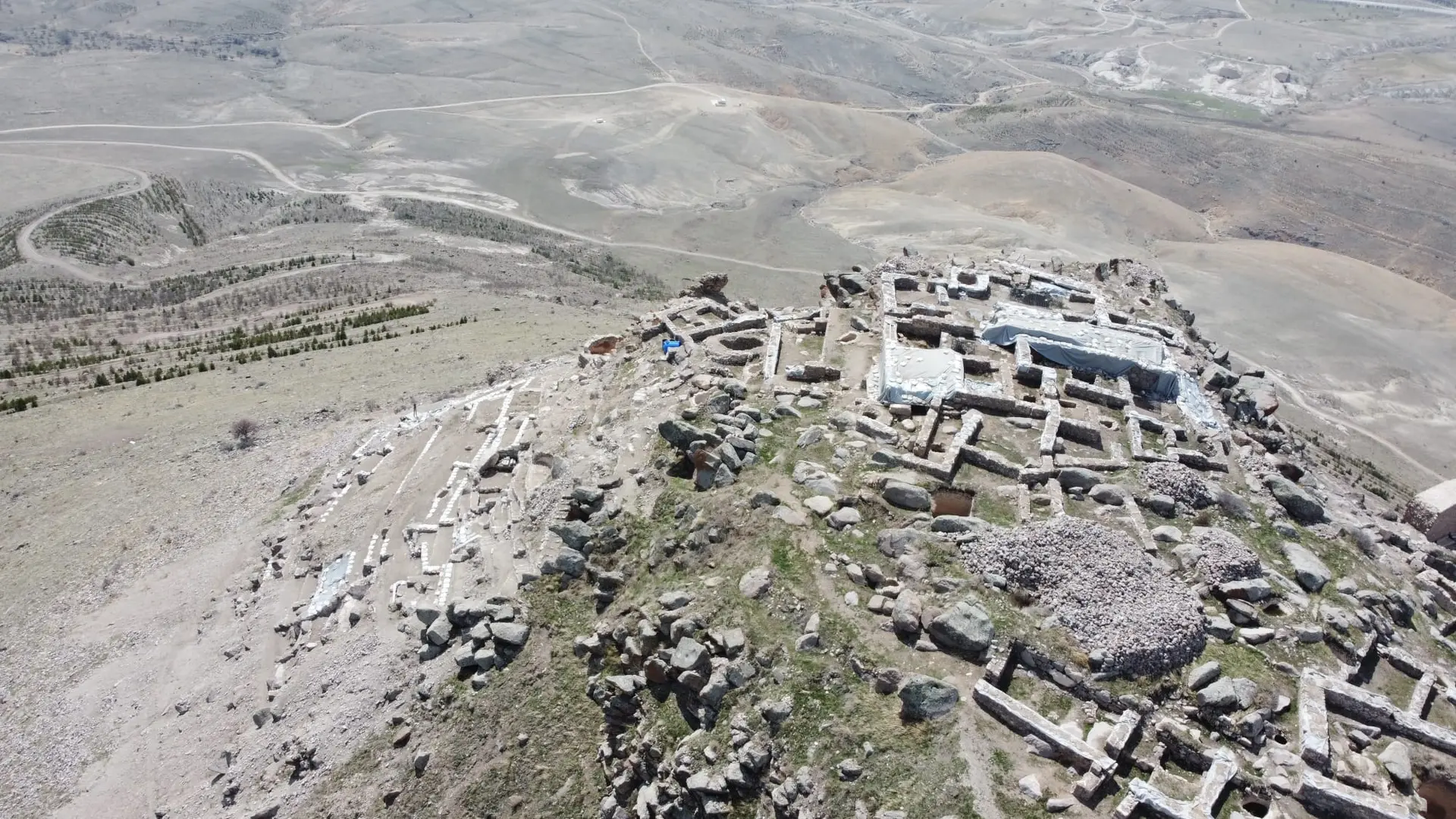

The second phase of the work reduced structural risks in the city walls, cisterns, and bath ruins while preserving the legibility of historical materials, the original structure, and excavation data.
This project is one of Taksim Yapı's significant references, demonstrating its ability to simultaneously carry out stone conservation, hydraulic lime injection, steel protection elements, and disciplined site management in high-altitude and difficult-to-access archaeological sites.
Taksim Yapı approaches the original data of the historical building by combining material knowledge, conservation science, field discipline, and controlled application.
Contact Us